If you’ve been putting off booking that Sri Lanka trip because visa paperwork felt like a headache, here’s some good news. As of 25 May 2026, Sri Lanka waived the tourist ETA fee for travelers from 40 countries. Eligible travelers still need to apply for and receive ETA approval before travel, but the official fee is now zero for those nationalities. I live in Colombo, and I watched this policy roll out in real time: friends visiting from the UK and Australia messaging me confused about whether it applied to them, tour operators scrambling to update outdated pricing on their websites, and predictably a wave of copycat websites trying to charge people for something that’s now free of charge.
This guide is my attempt to cut through that confusion. Whether you’re flying in from London, Sydney, Toronto, Mumbai, or Berlin, you’ll need a valid Sri Lanka tourist visa before you board your flight, and the rules have shifted enough since last year that even returning visitors are getting caught out. I’ll walk you through exactly who qualifies for the free Sri Lanka tourist visa in 2026, how to apply for it correctly, what it actually costs, how long it takes, and — because I’ve seen it happen to people I know how to avoid the fake websites that are currently the single biggest visa-related risk facing travelers to this country.
None of this is theoretical for me. I’ve helped visiting family sort out extensions, sat with friends at Bandaranaike International Airport while they untangled ETA mix-ups, and fielded more “is this website real?” messages than I can count over the past two months. So let’s get into it properly.

Why This Visa Change Is a Big Deal And Why Now’s a Good Time to Visit
Sri Lanka’s tourism numbers have been climbing fast. The island welcomed a record 2.36 million visitors in 2025, and the government is targeting somewhere between 2.7 and 3 million arrivals in 2026. Waiving the Sri Lanka tourist visa fee for 40 countries — including the UK, US, Canada, Australia, most of the EU, India, and China — is a deliberate push to keep that momentum going, especially as global travel patterns shift due to instability in other popular regions.
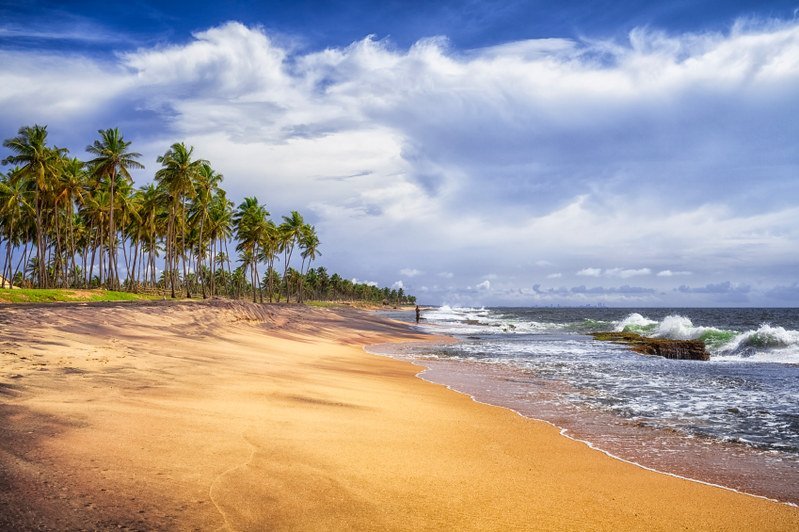
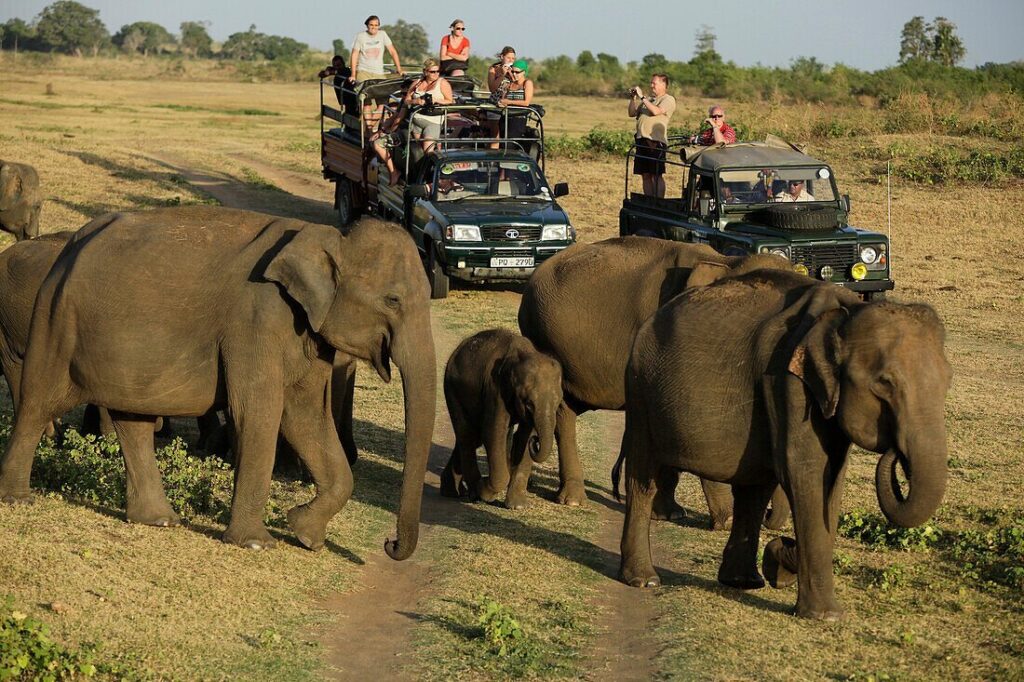
For travelers, the practical upside is simple: one less cost, one less pre-trip errand to dread, and, if the airline and hotel industries respond the way they usually do to a tourism boom, more flight routes and more competitive pricing over the coming year. Sri Lanka’s core appeal hasn’t changed — the beaches at Mirissa and Unawatuna, the hill country train ride I’ve written about separately, leopard and elephant safaris in Yala and Wilpattu, ancient cities like Sigiriya and Anuradhapura, and food that genuinely rivals anywhere in South Asia. What’s changed is that the entry process, which used to be a small but real source of friction, is now smoother for most nationalities applying for a Sri Lanka tourist visa.
That said, and this is the part locals notice that tourists usually don’t, a “free” government policy is exactly the kind of thing scammers exploit. The moment an official fee gets waived, fake booking agents and cloned websites start charging for it anyway, betting that confused travelers won’t check. I’ve covered that properly further down, because it’s genuinely the most important practical thing in this whole guide.
How to Apply for Your Sri Lanka Tourist Visa (ETA) Step by Step
The Electronic Travel Authorization, or ETA, is the system almost every foreign visitor uses to get a Sri Lanka tourist visa. The fee waiver announced for 2026 changed the cost for eligible nationalities, it did not remove the requirement to apply. Here’s exactly how the process works, in the order you’ll actually go through it.
Step 1: Check If You Qualify for the Free Sri Lanka Tourist Visa
From 25 May 2026, citizens of 40 countries can obtain their Sri Lanka tourist visa through the ETA system free of charge, for a stay of up to 30 days with double entry within that window. Based on official government circulars, the eligible list spans Europe (including the United Kingdom, Germany, France, Italy, Spain, and the Nordic countries), North America (the United States and Canada), and a broad group across Asia and Oceania (including India, China, Japan, South Korea, Australia, and New Zealand).
Here’s my honest advice as a local: government eligibility lists get revised, and I’ve already seen outdated versions floating around travel forums. Before you do anything else, check your exact nationality against the current list on the official portal, https://eta.gov.lk/. Travelers from Maldives, Seychelles, and Singapore should also note they’re now required to apply through the ETA system too, though their applications remain free, reporting indicates Maldivian nationals receive a 90-day tourist visa under the ETA system.
If your country isn’t on the free list, you’ll still apply for a standard paid Sri Lanka tourist visa through the same ETA portal — the process itself doesn’t change, just the fee.
Step 2: Gather What You’ll Need Before You Apply
- A passport valid for at least six months beyond your arrival date
- A return or onward flight ticket
- Your accommodation details for at least the first few nights
- A working email address (your approval is sent here)
- A debit or credit card, even for free applications, in case of identity verification
- A digital passport-style photo, occasionally requested depending on nationality
Step 3: Apply Only on the Official ETA Portal
This is the step where people lose money. Apply directly at eta.gov.lk that is the only official channel for a Sri Lanka tourist visa. Third-party sites frequently rank highly in search results and charge marked-up “service fees” of $30 to $80 for something that’s either free or costs a fraction of that officially. I’ll go into more detail on spotting these in the scam alert section below, but the short version is: bookmark the government URL and don’t click through from an ad.
Step 4: Submit Your Application and Wait for Approval
The online form asks for your passport details, travel dates, accommodation address, and contact information. Most Sri Lanka tourist visa applications are approved within 24 hours and processing is often quick, but timing can vary. Approval arrives by email as a PDF, this is your actual visa, so treat it like a travel document.
Step 5: Save and Carry Proof of Your Approval
Save the approval PDF to your phone and, ideally, print a physical copy too. Airline check-in staff sometimes ask to see it before you board, and immigration officers on arrival will want to see it alongside your passport.
Step 6: Present Everything at Sri Lankan Immigration
On arrival at Bandaranaike International Airport (or Mattala Rajapaksa in the south), immigration will check your ETA approval, passport, and onward ticket. Assuming everything matches, you’ll be stamped in for up to 30 days from that date, with the option to leave and re-enter once more within the same 30-day window under the double-entry allowance.
Sri Lanka Tourist Visa: Dos and Don’ts
A quick reference table for anything visa-related, based on questions I get asked most often.
| Do | Don’t |
| Apply only through eta.gov.lk | Apply through a third-party site that appears in search ads |
| Apply at least a few days before departure | Wait until the airport to sort out your Sri Lanka tourist visa |
| Double-check your nationality against the current free-list | Assume last year’s rules or fees still apply |
| Keep a digital and printed copy of your approval | Rely on a screenshot alone — some officers ask for the PDF |
| Confirm your passport has 6+ months validity | Travel on a passport expiring soon after your trip |
| Apply for an extension in Colombo if you want to stay longer | Overstay your visa, even by a day, without applying first |
| Verify a Sri Lanka tourist visa website uses the .gov.lk domain | Pay anyone by bank transfer or crypto to “expedite” a visa |
Sri Lanka Tourist Visa Costs: What You’ll Actually Pay
Here’s a realistic breakdown for budgeting your entry costs, based on current 2026 policy.
| Item | Cost (Approx.) | Notes |
| ETA fee – eligible 40 countries | Free (USD 0) | Effective 25 May 2026 |
| ETA fee – non-eligible countries | USD 25–50 | Applies to nationalities outside the 40-country free list |
| Visa extension (beyond 30 days) | USD 50–100+ | Applied for in person via the Department of Immigration in Colombo; fees vary by duration |
| Overstay fine | USD 4–24 per day | Overstay penalties apply and can be significant; always extend before your visa expires |
| “Service fee” on unofficial sites | USD 30–80 | Avoid entirely — this is the scam markup, not a government charge |
| Airport SIM card (optional, unrelated to visa) | USD 5–15 | Handy to have for checking your ETA email on arrival |
Best Time to Visit Sri Lanka (And How It Affects Your Trip Planning)
Sri Lanka has two monsoon systems, which is why the “best time to visit” answer genuinely depends on which coast you’re headed to. The south and west coasts, including Mirissa, Unawatuna, and Galle, are driest and sunniest from December to March, which is also peak season for beach travel and whale watching. The east coast, around Trincomalee and Arugam Bay, flips the other way, with its best weather from May to September.
The hill country, including Ella, Nuwara Eliya, and Kandy, is pleasant nearly year-round thanks to the elevation, though January to April tends to bring the clearest skies for that scenic train route I’ve covered in detail elsewhere on this blog. Wildlife safaris in Yala National Park run best from February to June, before the park’s seasonal closure in the autumn.
None of this affects your Sri Lanka tourist visa timing directly, since the ETA is typically valid for 30 days from first arrival, but it’s worth planning your application around your actual itinerary dates rather than applying too early and losing days of validity before you’ve even landed.
Practical Travel Tips for Your Trip to Sri Lanka
Sri Lanka Visa Scams to Watch Out For
This is the section I’d want a friend to read carefully. Since the fee waiver was announced, I’ve seen a noticeable uptick in scam activity specifically targeting people applying for a Sri Lanka tourist visa, and the pattern is consistent enough to flag clearly:
- Cloned websites with URLs that closely resemble eta.gov.lk, often ranking in paid search ads above the real site
- Social media “visa agents” in Facebook travel groups offering to process your ETA for a flat fee, then going silent after payment
- WhatsApp messages or unsolicited emails claiming your ETA application has an “issue” and requesting payment to resolve it
- Airport touts or drivers offering to “help” arriving passengers complete visa paperwork for cash, aimed mostly at travelers who look uncertain at immigration
- Fake refund calls targeting people who paid the ETA fee before it was waived, asking for bank details to process a “refund”
The rule that protects you in every one of these cases is the same: the only place to apply for or manage your Sri Lanka tourist visa is eta.gov.lk. Sri Lankan immigration will never call or message you asking for payment details, and no legitimate refund process requires you to hand over banking information over the phone.
Other Practical Tips
- Buy a local SIM (Dialog or Mobitel) at the airport for reliable data to manage your ETA and travel bookings on the go
- Carry small denominations of Sri Lankan rupees for tuk-tuks and rural areas where card payments aren’t accepted
- Negotiate tuk-tuk fares before you get in, or use the PickMe app for metered pricing
- Dress modestly when visiting temples: shoulders and knees covered, shoes off before entering.
- Drink bottled or filtered water; ice in reputable restaurants and hotels is generally fine
Final Thoughts
Sorting out your Sri Lanka tourist visa used to be a small but real source of pre-trip stress, and or travelers from 40 eligible countries in 2026, that’s genuinely no longer the case. The process is quick, the fee is often waived entirely, and the biggest risk left isn’t bureaucracy, it’s scam websites capitalizing on a policy change that hasn’t fully filtered through to search engines and travel forums yet.
Apply early, apply directly through eta.gov.lk, and keep both a digital and printed copy of your approval. Once that’s sorted, the only thing left to plan is the fun part: whether you start in the hill country, on the south coast, or somewhere quieter that most visitors miss entirely. If you’re building out your itinerary next, I’ve written detailed local guides on the Kandy to Ella train route, the best beaches around the island, and a full 7-day itinerary that might help you map out the rest of the trip.
Safe travels and if you run into anything visa-related that doesn’t match what’s here, the official ETA portal and the Sri Lanka Tourism Development Authority are always the most current sources.
Not quite. Sri Lanka has waived the ETA fee for 40 nationalities, but every visitor still needs to apply for and receive an approved Sri Lanka tourist visa before departure. It’s a fee waiver, not visa-free entry.
If your nationality is among the 40 eligible countries, it’s free as of 25 May 2026. If it isn’t, expect to pay roughly USD 25–50 through the official ETA portal.
Up to 30 days from your first arrival, with double entry allowed within that same 30-day window.
Yes. Extensions are handled in person through the Department of Immigration and Emigration in Colombo, and involve an additional government fee. Apply before your current visa expires to avoid an overstay fine.
According to the official circular, fees paid before that date are not refunded. Be cautious of anyone contacting you offering to process a refund — that’s a common scam angle right now, not an official service.
No. The ETA must be approved before you travel. Arriving without one risks being denied boarding by your airline or facing complications at Sri Lankan immigration.
Check that the URL is eta.gov.lk exactly, avoid links from search ads or social media posts, and remember that the official site will never ask for payment via bank transfer, cryptocurrency, or a third-party payment app.