Introduction
Whale watching Mirissa is one of the most unforgettable wildlife experiences in Sri Lanka.
Few wildlife experiences match the feeling of seeing the largest animal ever to live on Earth rising from the ocean. Just off the southern coast of Sri Lanka, travelers visiting Mirissa have one of the best chances in the world to see blue whales in the wild.
Unlike many whale-watching destinations that require long offshore journeys, Mirissa sits close to the deep waters of the Indian Ocean continental shelf, where whales frequently travel while feeding and migrating. This geographical advantage is what made Mirissa one of Asia’s most famous whale-watching locations.
The whale watching season runs mainly from November to April, when the seas are calmer and sightings are more frequent. During these months, visitors may encounter blue whales, sperm whales, and large pods of dolphins on early-morning boat tours departing from Mirissa Harbour.
March is often considered one of the most reliable months for sightings, making it a popular time for travelers planning a wildlife experience along Sri Lanka’s southern coast.
However, whale watching is not a theme park attraction. Whales are wild animals moving through vast ocean habitats, and sightings are never guaranteed. Responsible operators emphasize respectful distance, safe boats, and realistic expectations so travelers can enjoy the experience without disturbing marine life.
In this guide, you’ll learn:
- the best time to go whale watching in Mirissa
- what a typical tour experience looks like
- realistic prices and booking options
- how to choose ethical tour operators
- practical tips for a safe and enjoyable trip
If you are planning to explore Sri Lanka’s southern coast, whale watching in Mirissa can be one of the most memorable experiences of your journey.
The best time for whale watching Mirissa is between November and April, with peak sightings usually from December to March when the ocean is calmer.
The best time for whale watching Mirissa is between November and April, with peak sightings usually from December to March when the ocean is calmer.
Why Visit Mirissa for Whale Watching in March 2026
March sits in the heart of Mirissa’s whale watching season, offering favorable sea conditions and a strong chance of marine wildlife sightings.
The southern coast experiences calm waters during this period because the southwest monsoon has not yet begun, allowing boats to safely travel offshore to areas where whales are commonly observed.
What Makes March a Good Month
| Factor | Conditions in March |
|---|---|
| Ocean conditions | Generally calm seas |
| Whale sightings | High probability |
| Weather | Warm and sunny |
| Tourist crowds | Moderate to high |
Whale watching tours typically depart between 6:00 AM and 7:00 AM, when the sea is calmer and whale spouts are easier to spot against smooth water.
Early departures also help reduce seasickness and allow boats to reach offshore feeding areas before winds strengthen later in the day.
Marine Life You May See
While the main attraction is the blue whale, several other marine species are regularly spotted off Mirissa’s coast.
Common sightings include:
- Blue whales
- Sperm whales
- Bryde’s whales
- Spinner dolphins
- Bottlenose dolphins
- Flying fish and sea turtles
Blue whales can grow over 30 meters long, making them the largest animals ever recorded on Earth.
Whale Watching Mirissa: How Tours Work
Mirissa has become the main hub for whale watching in Sri Lanka because the deep waters of the Indian Ocean lie relatively close to shore. This allows tour boats to reach whale habitats within a few hours, making it one of the most accessible places in the world to observe blue whales.
Most tours depart from Mirissa Fisheries Harbour, a small but busy port where fishing vessels and whale-watching boats leave early in the morning.
Step 1: Early Morning Departure
Mirissa Fisheries Harbour becomes active very early in the morning. Travelers are usually asked to arrive between 6:00 AM and 6:30 AM for check-in and boarding.
Most operators provide:
- Life jackets
- Basic safety briefing
- Light breakfast or snacks
- Drinking water
According to information shared by operators and travel reviews on Tripadvisor, tours usually last 3 to 5 hours, depending on whale sightings and sea conditions.
Step 2: Journey Into the Indian Ocean
After leaving the harbour, boats head south toward deeper ocean waters. The continental shelf drops sharply near Sri Lanka’s southern coast, which allows large whales to travel relatively close to land.
This is why Sri Lanka has gained international attention for whale watching — it is one of the few places where blue whales can sometimes be seen without traveling extremely far offshore.
During the journey, guides usually scan the horizon for:
- whale spouts (water spray from breathing)
- bird activity
- surface movements in the water
These signs often indicate where marine life is feeding.
Step 3: Whale and Dolphin Sightings
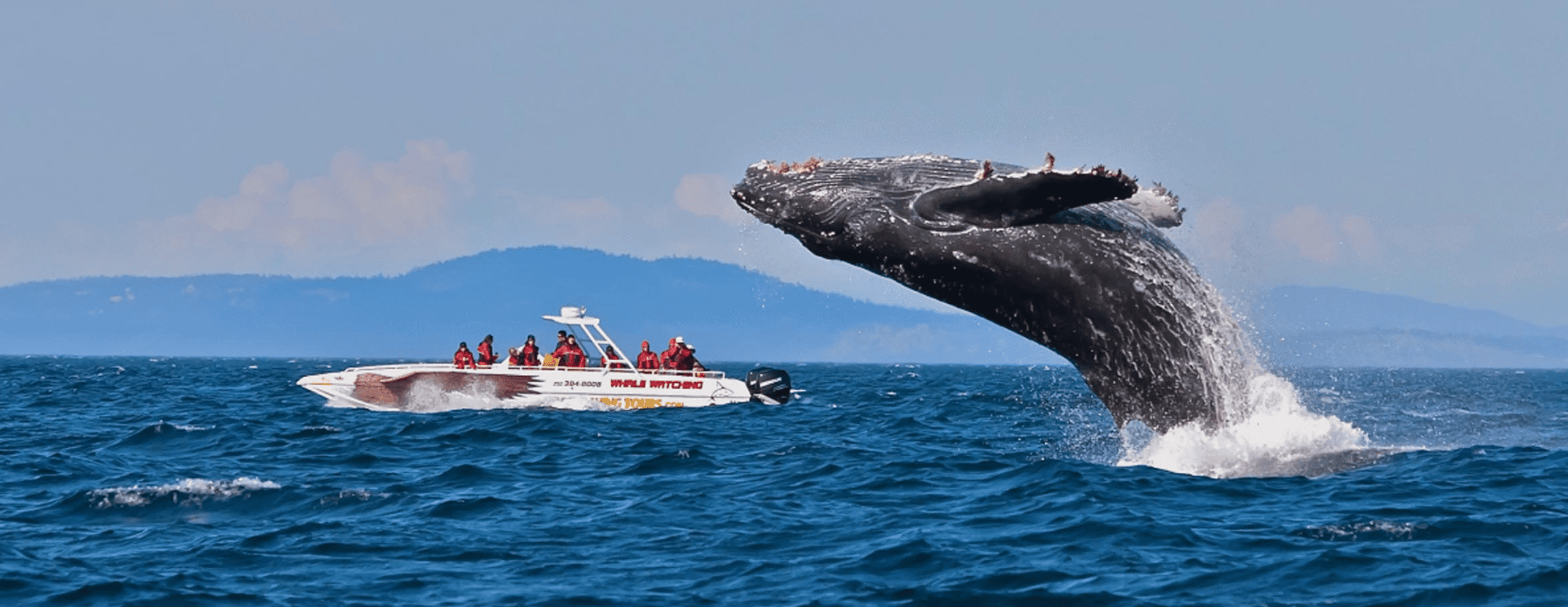
Once a whale is spotted, the boat slowly approaches while maintaining a respectful distance.
Ethical whale-watching guidelines recommend that boats:
- avoid chasing whales
- keep a safe distance
- limit the number of vessels near an animal
These practices help reduce stress on marine wildlife.
Common sightings in this region include:
- Blue whales
- Sperm whales
- Bryde’s whales
- Spinner dolphins
- Bottlenose dolphins
Spinner dolphins are particularly playful and sometimes swim near boats, creating memorable moments for travelers.
Step 4: The Blue Whale Moment
The highlight for most travelers is seeing the blue whale, the largest animal ever known to exist.
Blue Whale can grow up to 30 meters long and weigh over 150 tons. Despite their enormous size, they move gracefully through the water and often surface quietly.
Travelers may see:
- the whale’s back rising above the surface
- the tall blow (spout) of air
- occasionally the tail fluke as it dives
Sightings can be brief, sometimes lasting only a few minutes, but they leave a lasting impression.
Step 5: Return to Mirissa
After the sightings, boats return toward Mirissa, usually arriving back at the harbour around 10:30 AM – 11:30 AMdepending on the distance traveled.
Many travelers combine whale watching with other nearby attractions such as:
- relaxing on Mirissa Beach
- visiting the scenic viewpoint at Coconut Tree Hill
- exploring nearby Weligama or Galle
Typical Whale Watching Tour Prices
Tour prices vary depending on the type of boat and the operator.
Typical price ranges are:
| Boat Type | Price per Person |
|---|---|
| Standard group boat | $50 – $70 |
| Smaller boat tours | $70 – $90 |
| Private charters | $300+ |
Prices usually include:
- safety equipment
- guide or crew
- light refreshments
Travelers should always confirm what is included before booking.
Some reputable operators that frequently receive positive traveler feedback include:
- Raja & the Whales
- Mirissa Water Sports
Before choosing a tour, reading reviews on platforms such as Tripadvisor or Google can help travelers understand recent experiences.
Responsible Whale Watching Tips
Because whale watching tourism has grown rapidly in Mirissa, responsible travel practices are increasingly important.
Travelers should try to choose operators who:
- follow wildlife guidelines
- limit the number of boats around whales
- prioritize safety and respectful distance
Organizations such as World Wildlife Fund highlight that responsible tourism helps protect marine ecosystems while supporting local communities.
Dos and Don’ts for Whale Watching in Mirissa
Whale watching is one of the most memorable experiences you can have in Sri Lanka, but it’s important to approach it responsibly. A little preparation can make the trip far more comfortable — both for you and for the marine wildlife.
| Do | Don’t |
|---|---|
| Book with operators who follow ethical whale-watching guidelines | Choose the cheapest tour without checking reviews |
| Take motion-sickness medication if you are sensitive to waves | Assume the sea will always be calm |
| Bring sunscreen, sunglasses, and a hat | Forget sun protection — the ocean sun can be intense |
| Listen to the crew’s safety instructions | Stand on railings or behave unsafely on the boat |
| Be patient and enjoy the ocean even if sightings take time | Expect whales to appear instantly |
One thing experienced travelers often say is this: the ocean decides what you see. Some days whales appear quickly, while other days boats may spend hours searching. That unpredictability is part of the adventure.
Budget Breakdown for Whale Watching in Mirissa
Whale watching is surprisingly accessible compared to similar experiences in other parts of the world.
Here’s a realistic idea of the typical costs travelers encounter:
| Expense | Estimated Cost |
|---|---|
| Whale watching tour | $50 – $90 per person |
| Hotel in Mirissa | $30 – $120 per night |
| Transport from Colombo | $8 – $15 (train or bus) |
| Meals and drinks | $10 – $20 per day |
Most travelers spend around $80–$150 total for the whale-watching day, including food and transportation.
Mirissa also has accommodation options ranging from simple guesthouses to boutique beachfront hotels, so it’s easy to find something that fits your budget.
Best Time for Whale Watching Mirissa
The southern coast of Sri Lanka has a seasonal whale-watching window, mainly because of changing ocean conditions.
| Season | Conditions |
|---|---|
| November – April | Best whale watching season |
| December – March | Peak sightings |
| May – October | Rough seas, many tours stop |
March is often considered a very good time to visit. The weather is usually warm, seas are relatively calm, and sightings of blue whales and dolphins are frequent.
Tours almost always leave early in the morning, when the ocean is calmer and whale spouts are easier to spot against the water.
Practical Tips Before You Go
Here are a few things travelers often wish they knew before their whale-watching trip.
Arrive the Day Before
It’s best to stay in Mirissa the night before your tour. Boats leave early, and arriving from another city the same morning can be stressful.
Prepare for Motion Sickness
Even on calm days the ocean can be unpredictable. Many travelers take motion sickness tablets about an hour before departure.
Bring the Right Gear
Useful items include:
- sunscreen
- sunglasses
- hat
- camera with zoom
- light jacket (morning breeze can feel cool)
Respect Marine Life
Good operators avoid chasing whales or surrounding them with multiple boats. Choosing responsible tours helps protect Sri Lanka’s marine ecosystem for the future.
Conclusion
For many travelers, whale watching in Mirissa becomes one of the most unforgettable moments of their Sri Lanka journey. Seeing the ocean stretch endlessly around you and suddenly spotting the massive back of a blue whale breaking the surface is something that stays with people long after the trip ends.
March is one of the best months to experience this adventure, thanks to favorable weather and active marine life along the southern coast. While sightings are never guaranteed, the journey itself — early morning boats, dolphins racing beside the waves, and the quiet anticipation of the open ocean — is part of what makes the experience special.
If you’re exploring southern Sri Lanka, combining whale watching with nearby destinations like Galle or Weligama can make for a fantastic coastal itinerary.
And if you do take a whale-watching trip, remember the most important rule: respect the ocean and the wildlife that lives there.
That mindset helps ensure future travelers can enjoy the same incredible experience.
Frequently Asked Questions
Are whale sightings guaranteed in Mirissa?
No. Whales are wild animals moving through a vast ocean habitat, so sightings are never guaranteed. However, during peak season many tours report high chances of sightings, particularly for dolphins and occasionally blue whales.
How long do whale-watching tours last?
Most tours last 3 to 5 hours, depending on sea conditions and how far boats travel to locate whales.
Can children join whale-watching tours?
Yes, many tours allow children, but parents should consider sea conditions. The boat ride can sometimes be rough, so younger children should be supervised closely.
Is whale watching safe in Mirissa?
Generally yes, provided you choose a reputable operator with proper safety equipment and follow crew instructions. Life jackets are usually provided on board.
What whales can be seen in Mirissa?
The most famous species seen here is the Blue Whale, but visitors may also spot sperm whales, Bryde’s whales, and large pods of dolphins.
Is whale watching ethical in Sri Lanka?
Responsible whale watching can support local communities and marine conservation. Travelers should choose operators who maintain respectful distances from wildlife and follow responsible tourism guidelines.